
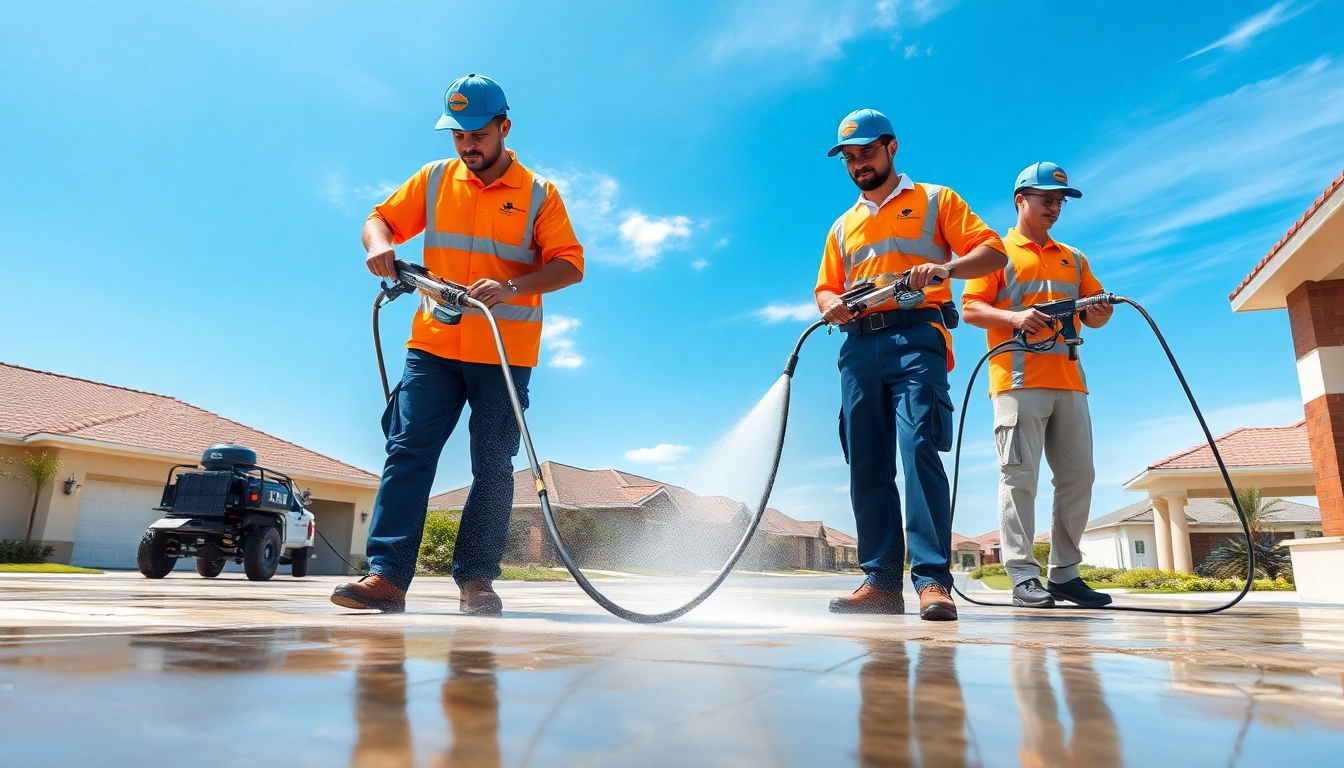
Understanding Concrete Cleaning
Concrete surfaces, whether in residential or commercial settings, often bear the brunt of environmental stressors, leading to unsightly stains and deterioration over time. Effective concrete cleaning not only enhances the aesthetic appeal of your property but also extends the lifespan of your concrete. As urban areas experience increased foot traffic, vehicle use, and exposure to pollutants, understanding the nuances of concrete cleaning becomes essential for maintaining property value.
What is Concrete Cleaning?
Concrete cleaning involves the removal of dirt, stains, algae, and other buildup from concrete surfaces, aiming to restore their original appearance and functionality. This process can include various methods, including pressure washing, chemical treatments, and scrubbing techniques. Each method has distinct advantages, depending on the type of stains present and the condition of the concrete.
Benefits of Professional Concrete Cleaning
- Enhanced Curb Appeal: Clean concrete surfaces significantly improve the overall appearance of your property, making it more inviting.
- Increased Safety: Removing oil stains and algae prevents slip hazards, ensuring safety for residents and visitors.
- Prolonged Lifespan: Regular cleaning prevents deterioration and costly repairs, extending the life of your concrete surfaces.
- Cost-Effective: Investing in professional cleaning services can save you money in the long run by preventing extensive damage.
Common Misconceptions About Concrete Cleaning
There are several misconceptions surrounding concrete cleaning that can deter property owners from seeking professional help. One common myth is that concrete does not require regular maintenance due to its durability. In reality, not maintaining concrete can lead to deeper structural issues. Additionally, many believe that pressure washing is sufficient for all types of stains, while some stains may require specific chemical treatments for effective removal.
Choosing the Right Concrete Cleaning Methods
Determining the best approach for concrete cleaning depends on various factors, including the type of stains, the condition of the concrete, and environmental considerations. It’s crucial to assess your concrete surfaces to choose the most effective method.
Pressure Washing vs. Chemical Cleaning
Pressure washing is one of the most popular methods for cleaning concrete due to its effectiveness in removing dirt and grime quickly. However, high-pressure methods can potentially damage older or cracked concrete surfaces. On the other hand, chemical cleaning uses specialized solutions to remove tough stains like oil and rust without the risk of damaging the concrete. Often, a combination of both methods yields the best results.
Eco-Friendly Cleaning Solutions
With increasing concerns about environmental impact, eco-friendly cleaning solutions are becoming more prevalent. These biodegradable cleaning agents effectively remove stains while minimizing harm to the surrounding environment. When selecting a cleaning service, inquire about their use of eco-friendly products to ensure a sustainable approach.
Assessing the Condition of Your Concrete
Before deciding on a cleaning method, evaluate the condition of your concrete. Look for cracks, discoloration, and accumulated dirt or stains. A professional cleaning service can conduct a thorough inspection and recommend tailored solutions based on their findings.
Step-by-Step Guide to Concrete Cleaning
Cleaning concrete requires careful preparation and execution to achieve optimal results. Here’s a comprehensive guide to help you navigate the process effectively.
Preparing Your Concrete Surface
Begin by clearing the area of furniture, debris, and any obstacles. Ensuring that the surface is free of obstructions allows for a thorough cleaning. Additionally, patch any significant cracks or damage before proceeding, as these can be exacerbated by cleaning efforts.
Choosing the Right Equipment
Depending on the scale of the cleaning job, different equipment may be necessary. For smaller areas, a residential pressure washer might suffice, whereas larger commercial jobs may require industrial-grade machines. Moreover, selecting the correct nozzle size is critical for achieving optimal results without damaging the surface.
Executing the Cleaning Process
- Pre-Treat Stains: Apply appropriate cleaning solutions to stubborn stains and let them sit for several minutes to break down the dirt.
- Pressure Wash: Use a pressure washer to clean the area, working in sections and maintaining a consistent distance from the surface.
- Rinse Thoroughly: Rinse the area with clean water to remove any residual cleaning agents or debris.
- Seal if Necessary: After the concrete has dried, consider applying a sealant to protect it from future stains and wear.
Maintaining Clean Concrete Surfaces
Once your concrete has been cleaned, establishing a regular maintenance schedule is crucial for preserving its condition. Here are practical tips for maintaining clean concrete surfaces.
Post-Cleaning Care Tips
- Regularly sweep and remove debris to prevent buildup.
- Address stains immediately to prevent them from becoming permanent.
- Consider seasonal cleaning to maintain appearance and safety.
Regular Maintenance Schedules
For high-traffic areas, a cleaning schedule of every six months is ideal, while less frequented surfaces may require annual maintenance. Establishing a consistent schedule ensures that your concrete remains in top condition as the seasons change.
Identifying Signs Your Concrete Needs Cleaning
Be proactive in identifying when your concrete requires cleaning. Look for signs such as discoloration, staining, or the presence of mold and mildew. Prompt action can prevent deeper issues and costly repairs down the line.
Future Trends in Concrete Cleaning
As technology continues to evolve, so too does the field of concrete cleaning. Staying informed about emerging trends can help property owners make educated decisions.
Innovations in Cleaning Technology
Recent advancements have introduced more efficient cleaning solutions, such as robotic cleaners and enhanced pressure washing techniques. These innovations not only save time but also achieve better results with reduced environmental impacts.
Environmental Impact and Sustainability
More cleaning services are recognizing the importance of sustainable practices. Eco-friendly cleaning solutions are in higher demand, and companies are increasingly implementing water reclamation systems to minimize waste and environmental impact.
The Future of Concrete Care in 2025
Looking ahead to 2025 and beyond, we can expect a greater shift toward eco-conscience cleaning methods and technologies that improve efficiency and effectiveness in maintaining concrete surfaces. Homeowners and business leaders alike will benefit from these advancements as they continue to value environmental sustainability.


